#1 · 1564 CE (Mughal Era)
Akbar-Nama by Abul Fazl / Imperial Gazetteer of India
1564 CE: Emperor Akbar's Royal Elephant Hunt Recorded in Akbar-Nama
According to Abul Fazl's official court chronicle 'Akbar-Nama', Mughal Emperor Akbar halted in the dense forests of 'Sipri' (ancient Shivpuri) in 1564 CE during his return from Mandu and Malwa. Shivpuri was famed throughout medieval India for massive wild elephant herds; Akbar personally led an extensive royal expedition here to capture wild elephants.
#2 · 1911 CE (Colonial Scindia Era)
Gwalior State Archives & Forest Records
The George Castle Mystery: King George V Never Slept in the Palace Built for Him
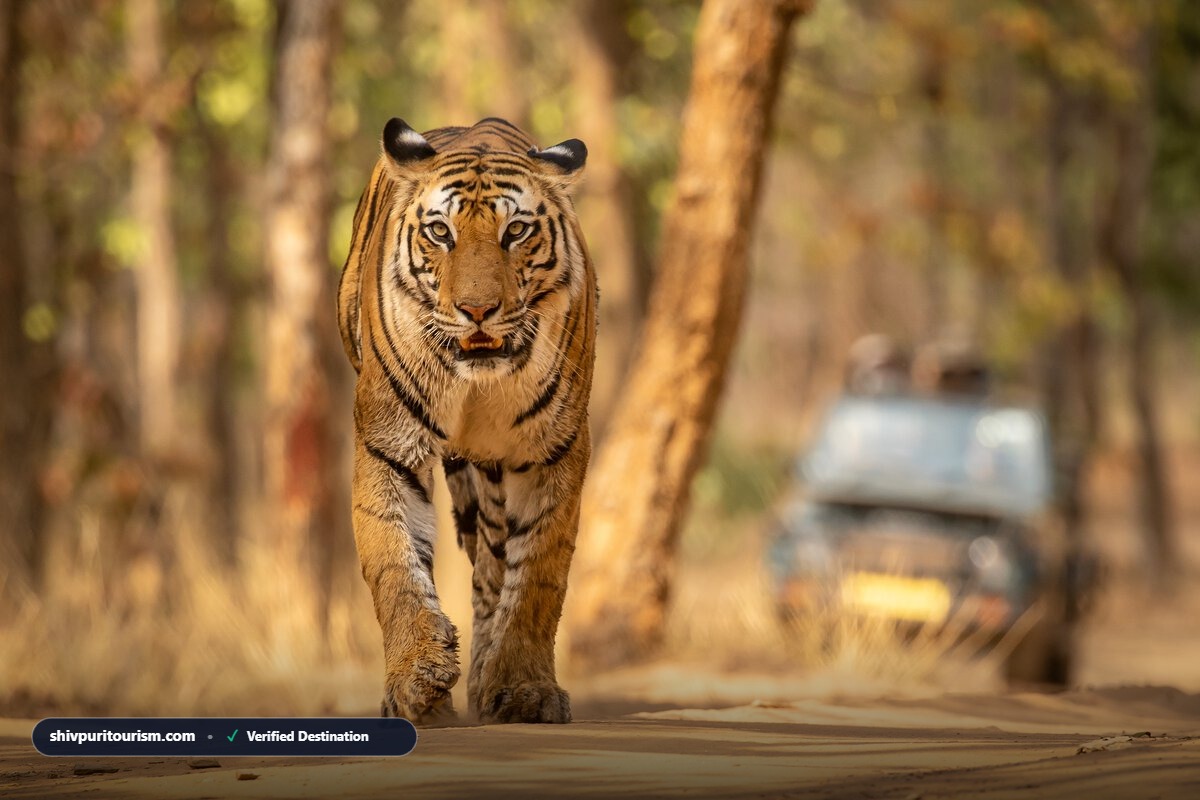
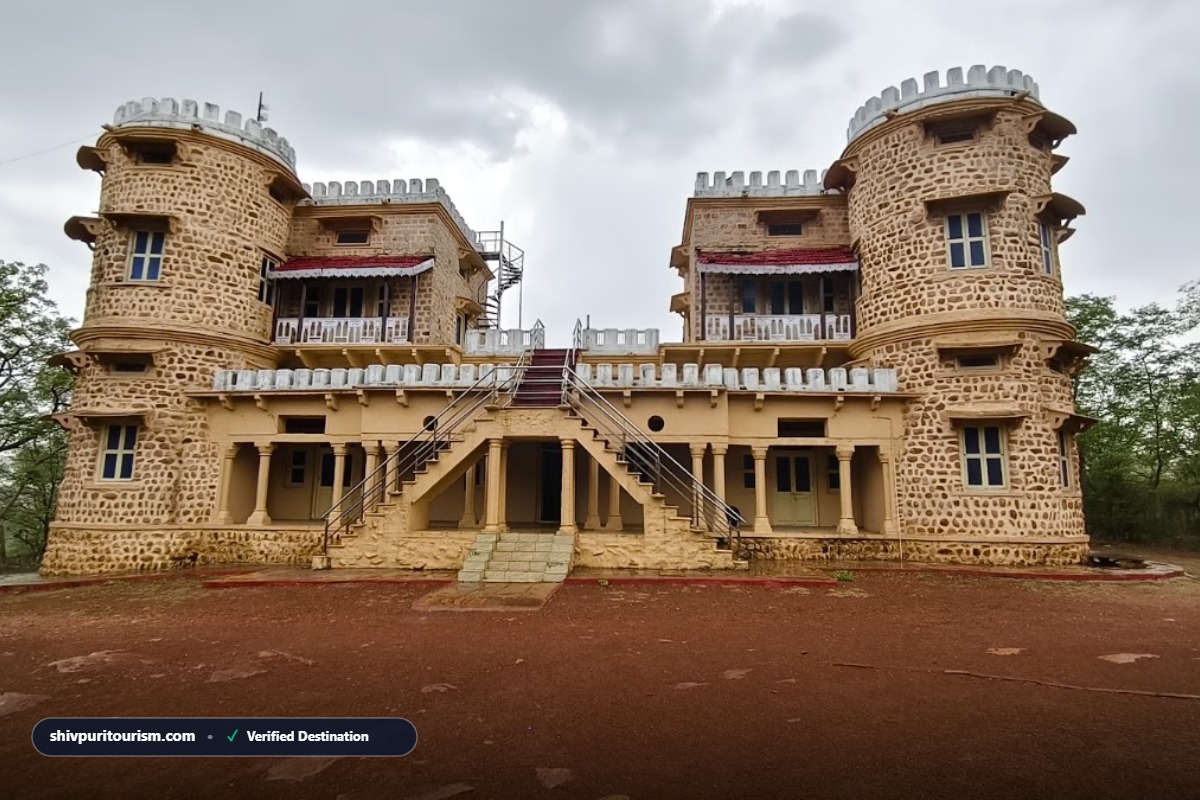
Constructed in 1911 by Maharaja Madhavrao Scindia I atop the highest ridge of Madhav National Park exclusively for the overnight halt of British Emperor King George V during a royal tiger hunt. However, King George shot a tiger earlier that afternoon along the approach trail, satisfied his quest, and returned directly to his royal train coach — never sleeping a single night in the castle built in his honor.
#3 · April 1859 (First War of Independence)
British Court-Martial Proceedings, 1859 / National Archives of India
1859: The Betrayal of Raja Man Singh & Martyrdom of General Tatya Tope
British forces could never capture General Tatya Tope in open combat. However, Raja Man Singh of Narwar betrayed his whereabouts under a secret pact with the British. On 7 April 1859, while resting in the forests of Paron near Shivpuri, Tatya Tope was captured in his sleep. Following a court-martial in Shivpuri, he was publicly hanged at 5:00 PM on 18 April 1859, facing the gallows with legendary courage.
#4 · 1918 to 1947 (Scindia Summer Capital)
Gwalior State PWD & Irrigation Gazette 1922
1918: Sakhya Sagar Lake — Scindia Royalty's Exclusive Sailing & Yacht Club
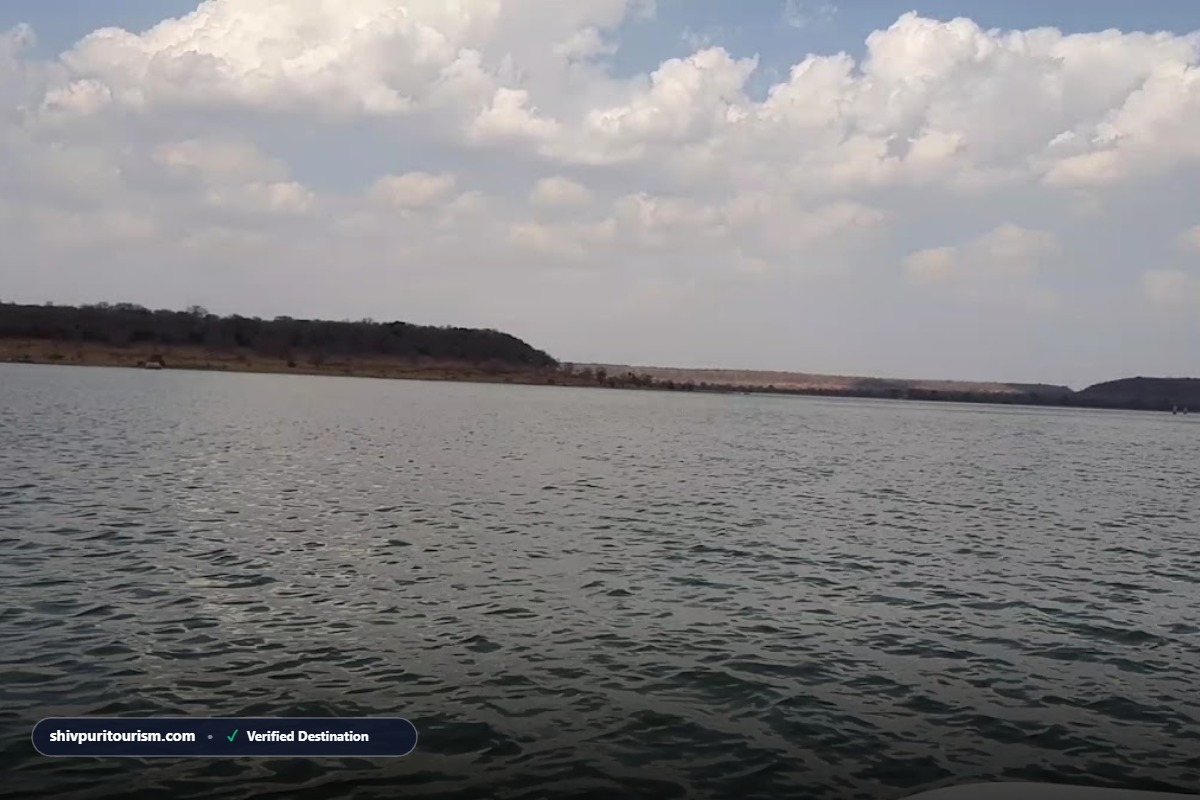
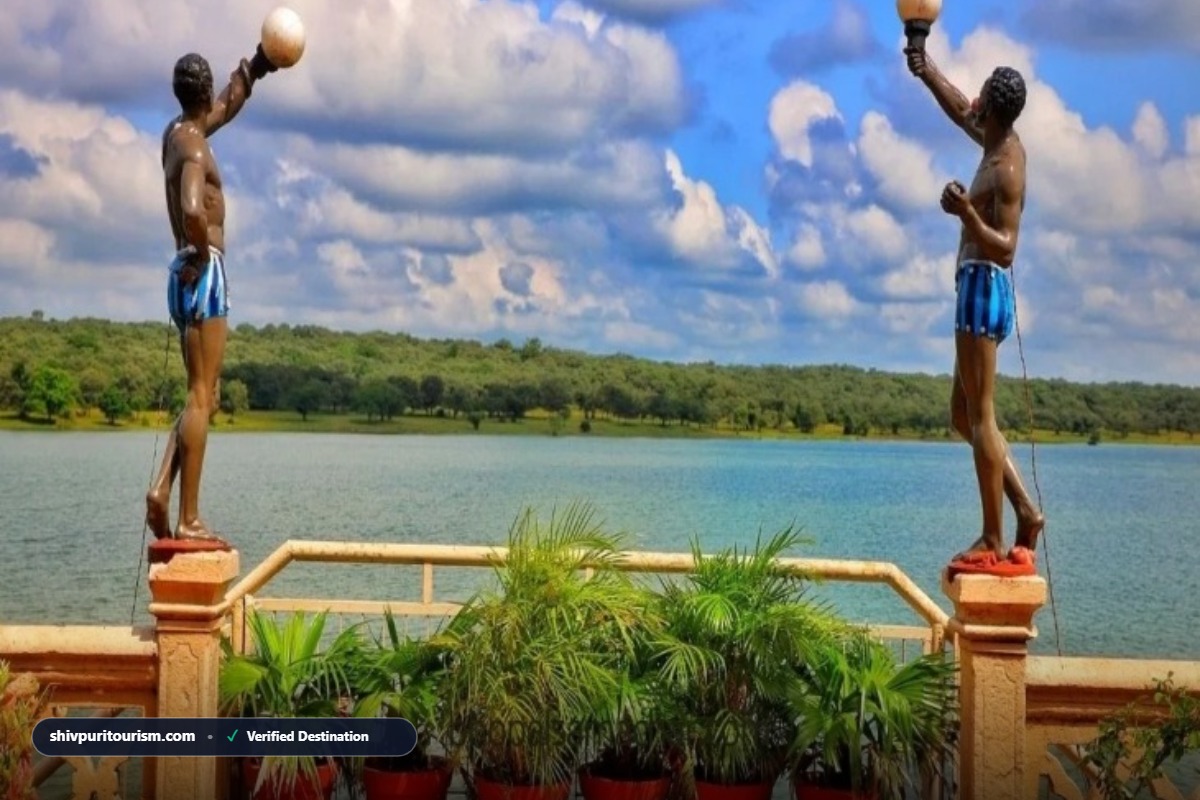
Commissioned in 1918 by damming the Manihar River in honor of Maharani Sakhya Raje Scindia, this lake was home to a lavish royal water club. The Scindias imported specialized sailing dinghies and motor launches from Europe, establishing a dedicated Sailing Club and boathouse that hosted elite summer regattas for visiting British dignitaries and princely guests.
#5 · 1920s to Present Day Continuous
Scindia Devasthan Trust Records & Oral Historians
Living Royal Court: Ancestral Naubat Shehnai & Daily Darbar Rituals at the Chhatris
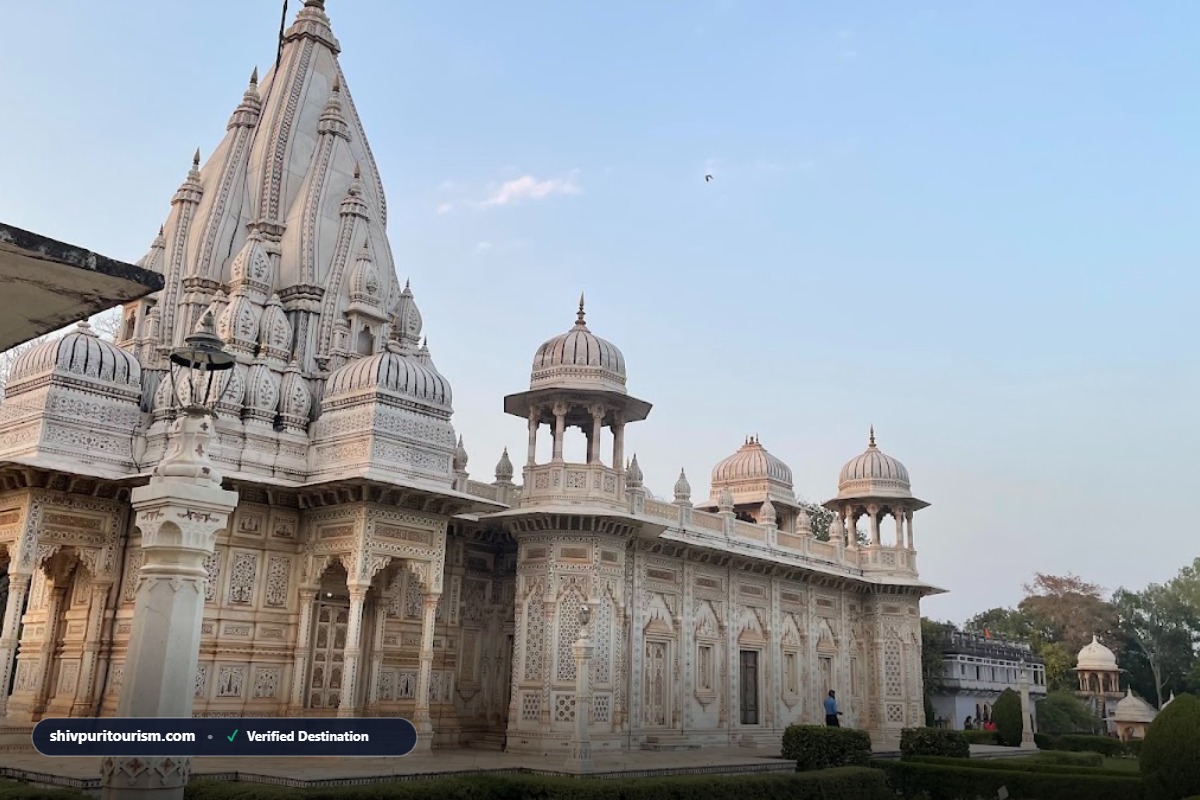
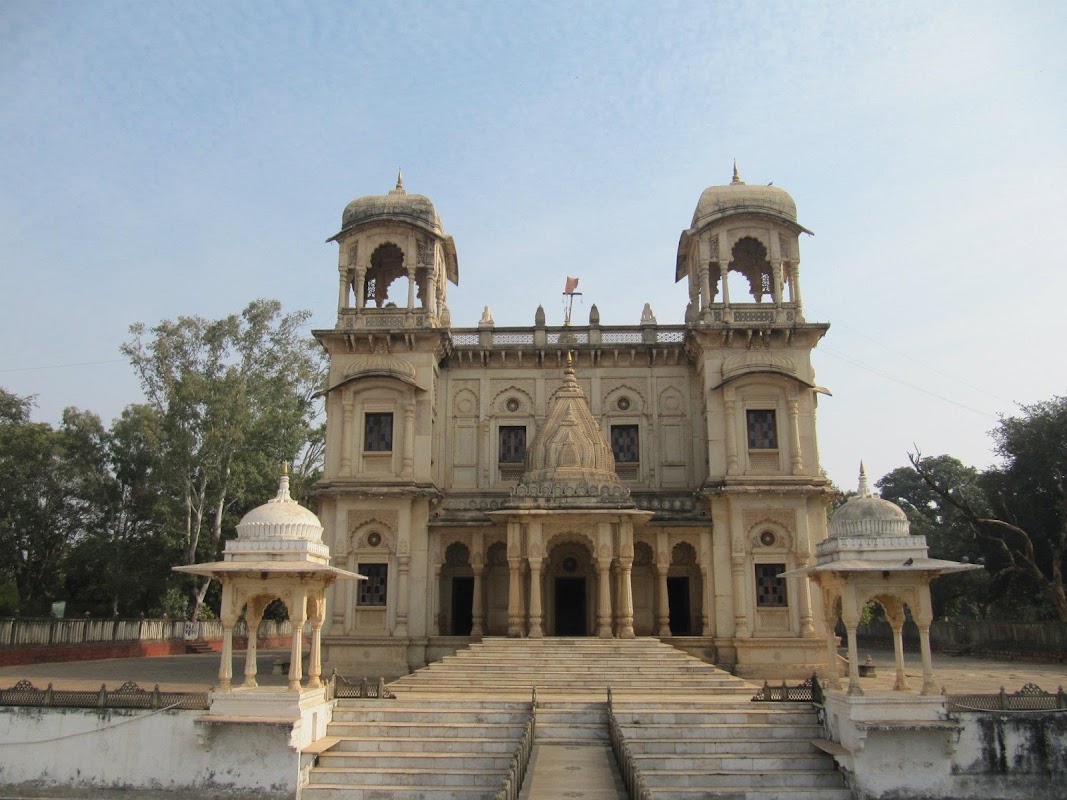
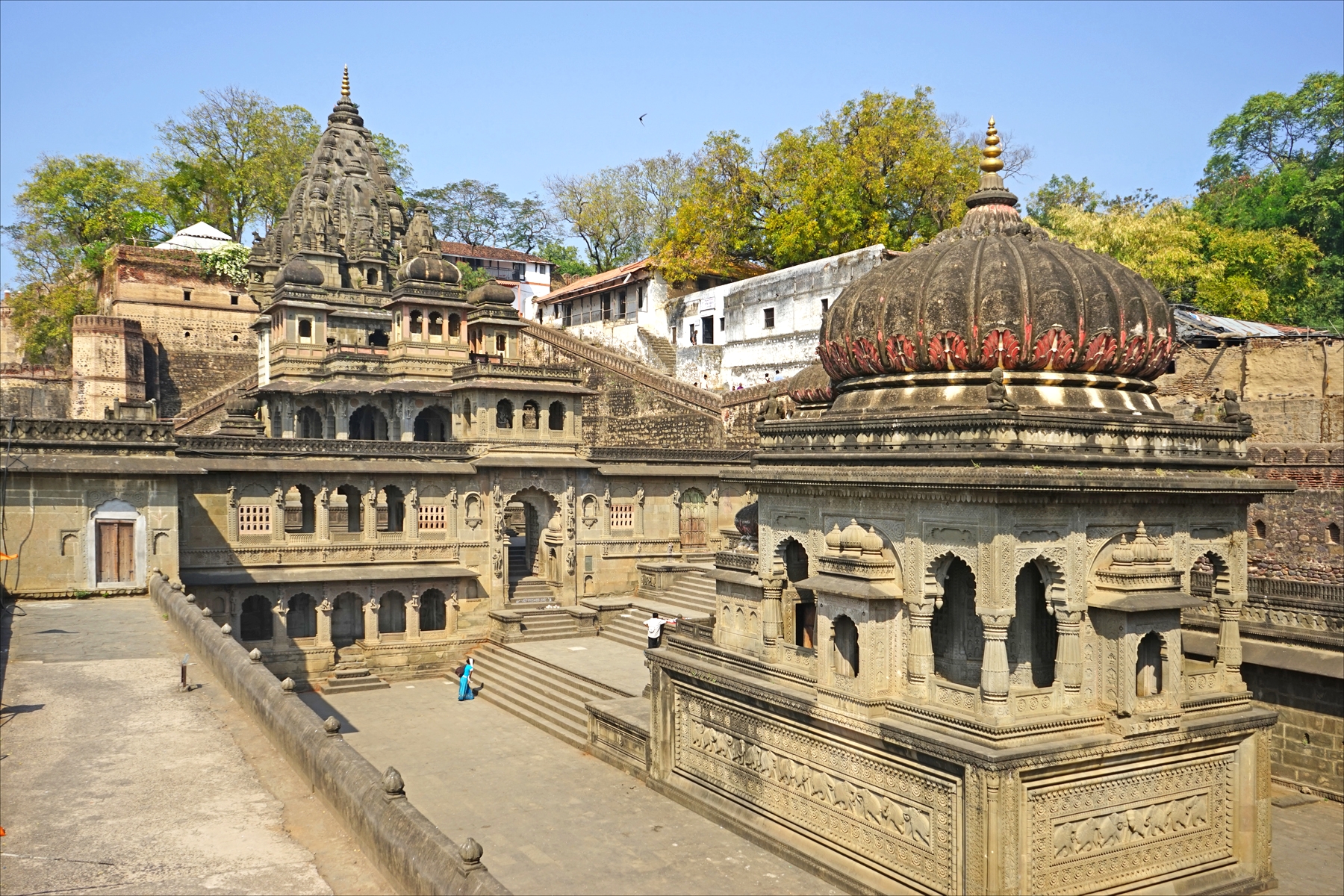
Unlike most historical monuments across India that function solely as static museums, the Scindia Chhatris of Shivpuri maintain an active living court tradition. For over a century, hereditary royal musicians perform classical ragas on the shehnai and naubat from the gatehouse pavilion twice daily. Inside the inner sanctum, ceremonial robe changes, gourmet royal meals (bhog), and evening aartis continue every single day.
#6 · 1981 to Present (Denotification Under Process)
101reporters, Forest Dept MP, PCCF Wildlife Reports & State Wildlife Board
The 41-Year Bustard Mystery: Karera Sanctuary and the Proposed Denotification Process
Notified in 1981 to protect the critically endangered Great Indian Bustard (Sonchiraiya), the 202 sq km Karera Sanctuary placed four decades of stringent land-use restrictions across 32 villages. Ironically, the bird was never documented here after the early 1990s. While denotification proposals advanced to the final stage through state wildlife authorities, final legal denotification remains subject to Supreme Court and Gazette of India verification. Today, Dihaila Lake within the area remains a vibrant seasonal avian wetland.
#7 · 3rd to 8th Century CE (Naga Dynasty)
Archaeological Survey of India (ASI) Reports & Bhavabhuti's Malati-Madhava
Ancient Padmavati (Pawaya) & Playwright Bhavabhuti's 8th-Century Sanskrit Theatre
Located near Narwar at the scenic confluence of the Sindh and Parbati rivers lies Pawaya, the ancient capital of the Naga kings known as 'Padmavati' in classical antiquity (3rd–4th century CE). The celebrated 8th-century Sanskrit playwright Bhavabhuti set his masterpiece drama 'Malati-Madhava' right here in Padmavati. Giant carved Yaksha statues, Naga coins, and monolithic remains excavated here attest to the region's classical golden age.
#8 · Natural Geological Spring & Centuries of Folklore
District Gazetteer of Shivpuri & Ayurvedic Traditions
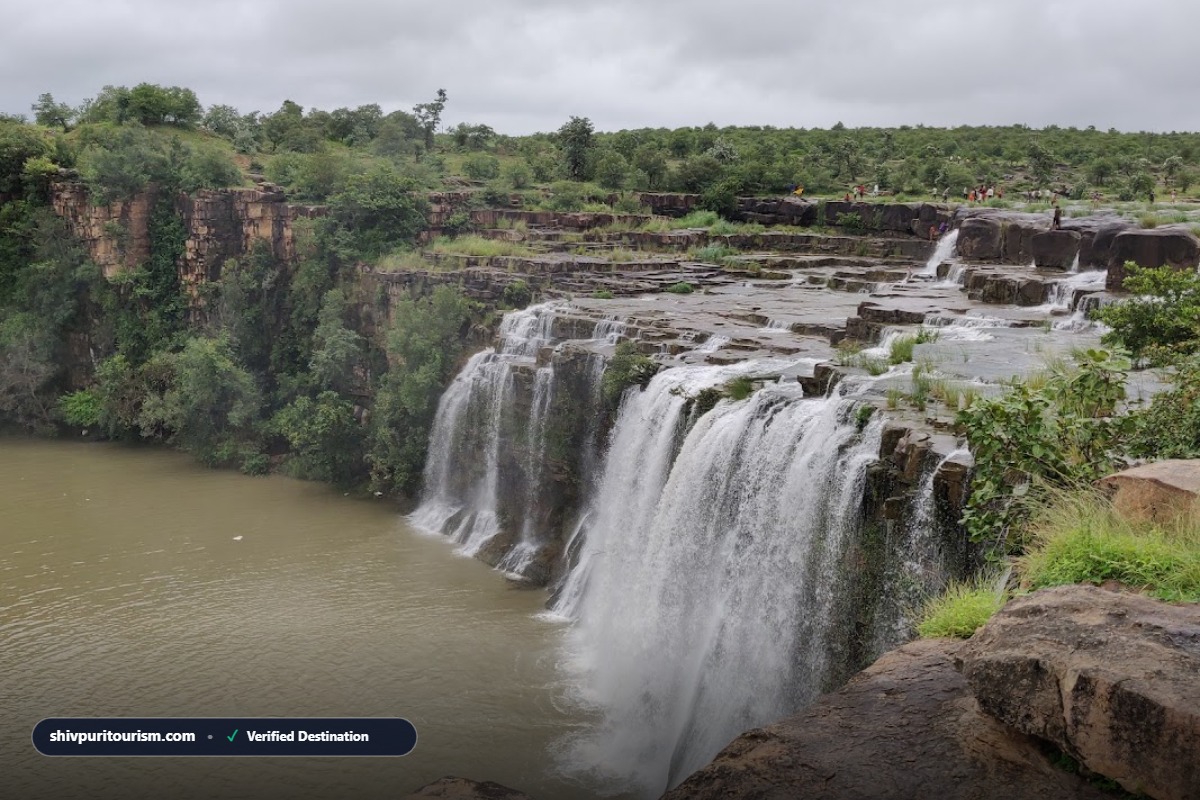
Bhadaiya Kund's Healing Mineral Spring: Natural Sulfur Waters & Marital Legend
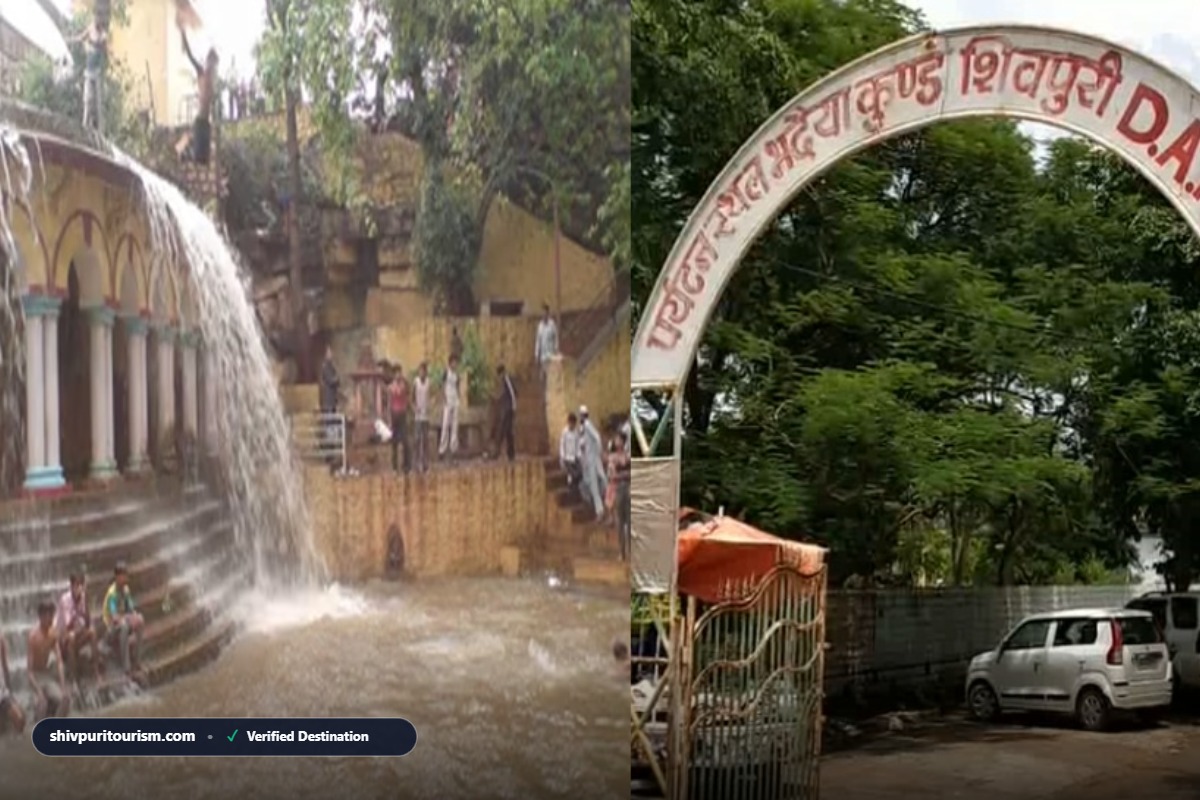
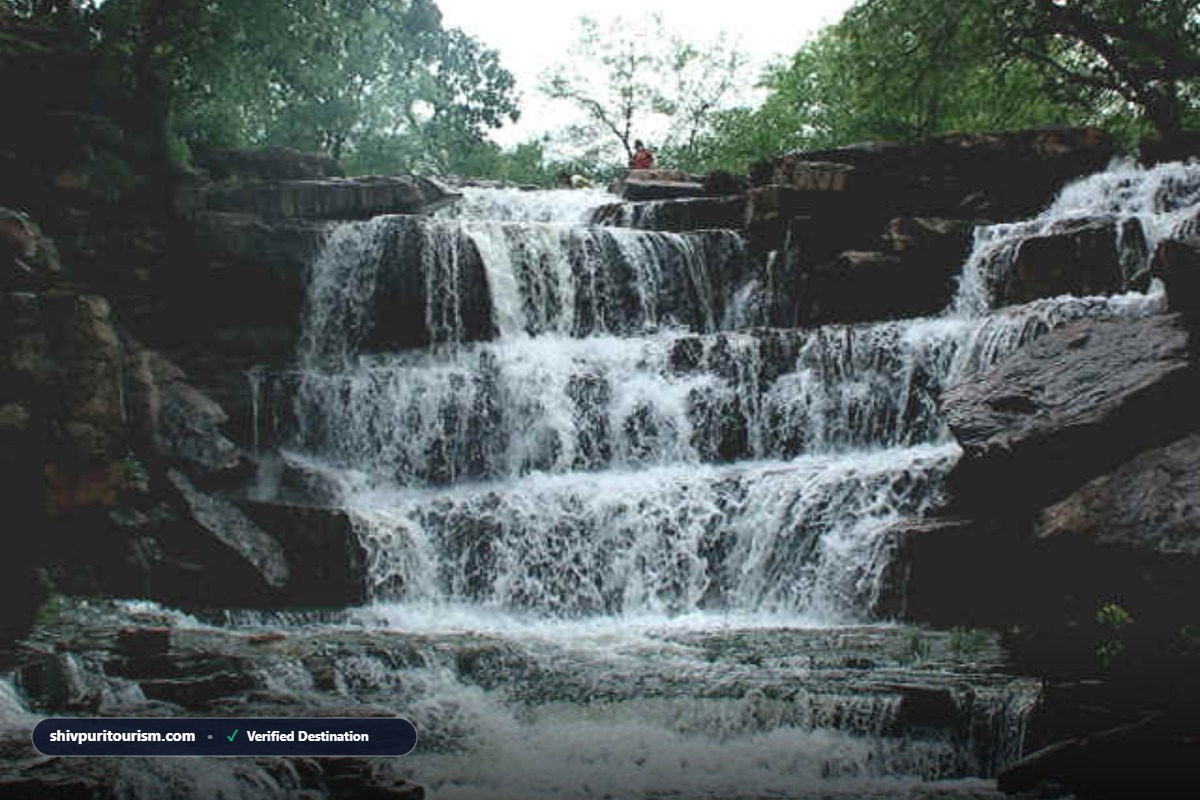
Bhadaiya Kund is renowned for a natural rock fissure that yields perennial mineral water containing natural trace sulfur. Traditional Ayurvedic practitioners across the Gwalior division have long prescribed bathing in this mineral cascade to relieve dermatological conditions. Local lore also holds that couples who bathe together under its post-monsoon spray are blessed with everlasting harmony.